


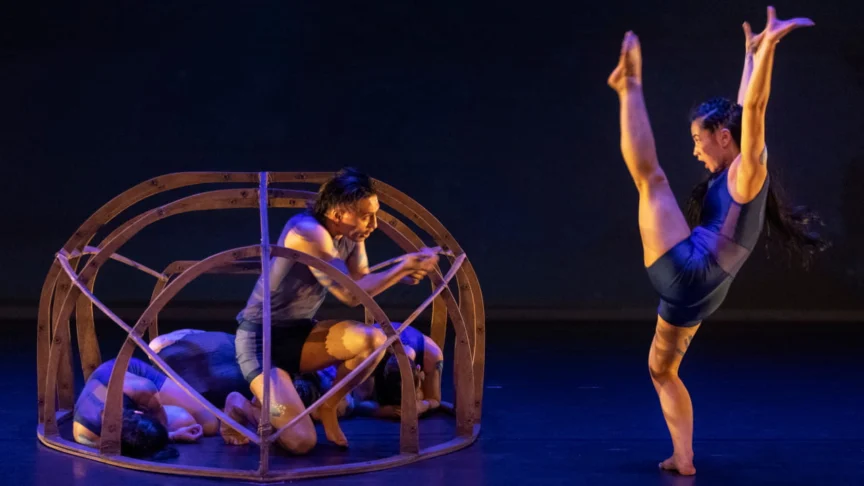
The 2026 Federal Budget introduces a new tax credit for artists, alongside investments for local festivals and performing arts events across Canada, in the context of Canada’s 160th anniversary.
The budget tabled today by the Minister of Finance, the Honourable François-Philippe proposes to invest $4 billion over 5 years to celebrate “what makes us Canadian”. While this amount includes existing funding, it also contains new and significant investments.
New Tax Credit for Canadian Artists
Within the budget, the Canadian government announced an investment of $45 million towards the Canada Creative Credit, a first of its kind non-refundable personal tax credit for artists and creatives allowing tax-free artistic earnings of up to $45,000. This fund would allow artists to directly benefit from a greater portion of earnings associated with artistic employment opportunities and grant-funded projects alike. The government advises it will consult with the cultural sector to develop the credit, and provide further details in the Spring Economic Update in 2027.
Additional Funds to Celebrate Canada’s 160th Anniversary
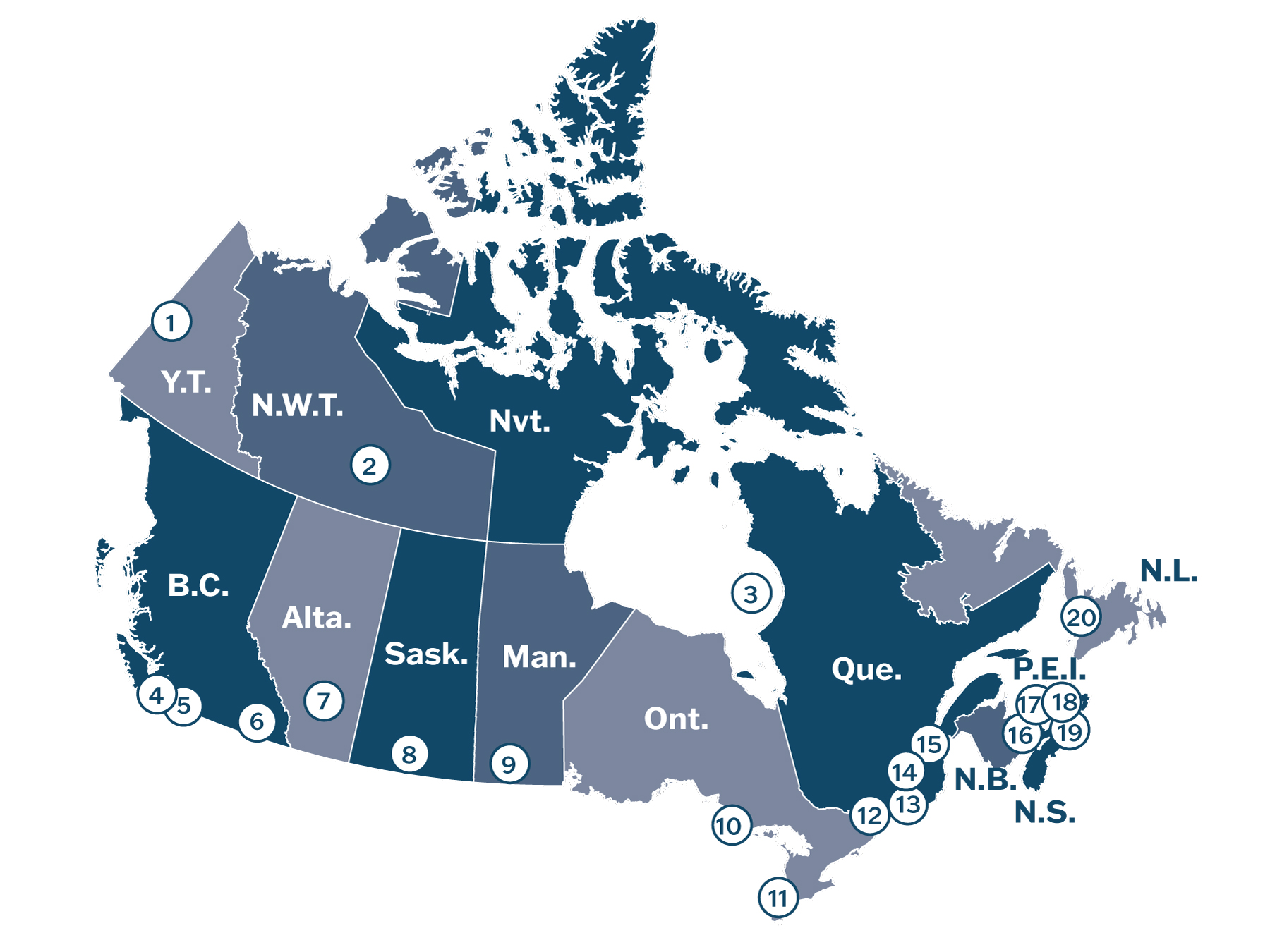
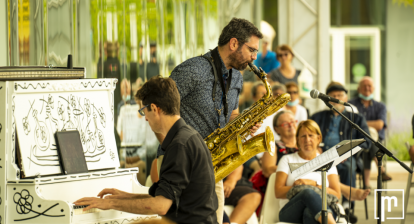
The image above features festivals funded in 2026 through the Building Communities through Arts and Heritage program.
Budget 2026 proposes to provide $10 million in 2027-28 for the Building Communities through Arts and Heritage program and $15 million for the Canada Arts Presentation Fund, to support local festivals and performing arts events across Canada in honour of Canada’s 160th anniversary. These investments are on top of the supplementary funds announced in last year’s budget.
This brings additional funds for the 2027-28 fiscal year to $ 30.5 million for the Canada Arts Presentation Fund and to $17 million for Building Communities through Arts and Heritage. These temporary funds are more or less equivalent to the permanent parliamentary credits for each program.
The following table provides the detail of project base and supplementary funding for the 2027-2028 fiscal year.
| Program | Base funding in 2027-2028 (based on the 2026-2027 Budget Estimates) | Supplementary funds from Budget 2025 (per year) | Supplementary funds from Budget 2026 (one year) | Total funding in 2027-2028 | 2026 Budget investment as a percentage increase over existing funding |
| Canada Arts Presentation Fund | $31,125,000 | $15,500,000 | $15,000,000 | $61,625,000 | 32% |
| Building Communities Through Arts and Heritage | $17,755,000 | $7,000,000 | $10,000,000 | $34,775,000 | 40% |
Some Relief for the Canada Council for the Arts
Over the coming three years, Canada Council for the Arts will receive a total of $20 million, with $8 million scheduled for the 2027-2028 fiscal year. This is in addition to $6 million over three years announced in the last budget. In other words, the Canada Council will receive $10 million more in 2027-2028. This funding represents 2.8% of the Canada Council’s total parliamentary appropriations in 2025-2026 ($360 million). While it will provide certain relief, it is nonetheless lower than the latest inflation rates in Canada. This investment is welcome, but falls short of the $140 million re-investment recommended by the Canadian Arts Coalition. Canada Council received its last major increase 10 years ago.
“CAPACOA is thrilled to see Budget 2026 position arts and culture as an essential part of Canada’s sovereignty. CAPACOA’s presenters know first-hand how live performances bring communities together. We look forward to celebrating our country’s diverse traditions and histories through the live performing arts. This budget’s investments are both significant and timely considering the current economic and political climate.”
– Glenn Brown, CAPACOA Chair
Other Noteworthy Budgetary Announcements
- Renewing the Canada Strong Pass for summer 2027.
- Making it permanently free for young Canadians under 25 to visit our national museums year-round.
- Support for the Canada Book Fund and for the Local Journalism Initiative.
- Support Canada’s hosting of the 2028 Francophonie Summit, to champion the French language and deepen the cultural and economic ties that connect us to the wider Francophone world.
- Support to Canada’s national museums, the National Battlefields Commission, the National Arts Centre, and Library and Archives Canada to repair and renew aging facilities, protect national collections, and sustain the exhibitions, performances, and services that connect Canadians to our history and culture.
- $300 million over two years to CBC/Radio-Canada.



jordanne erichsen
Thank you for this clear summary of the proposed Canada Creative Credit. As the cultural sector is consulted ahead of the Spring Economic Update, I’d like to raise one question: will teaching income count?
I’m an opera singer turned entrepreneur and the founder of EXPRESS Voice Studio, a Canadian music school with locations in Ottawa, Montreal, Toronto, Vancouver and Mississauga, plus online. Our teachers are working artists. For many performers, teaching sits right next to creative work. It uses the same training and skills, and it’s often what keeps an artist in the sector between contracts. If the credit only covers performance fees, royalties and grant-funded projects, it may miss a large share of how performing artists actually earn their living.
I’d encourage the government to consider whether arts instruction by practising artists could be recognized in the definition of eligible income, and I’d be glad to share our perspective as consultations continue.
Jordanne Erichsen
Founder & CEO, EXPRESS Voice Studio
http://www.expressvoicestudio.com
Frédéric Julien
Thanks for your comment, Jordanne.
This is a very relevant question. It will be important to bring it up when the consultations take place.